

Summary
Wearable technology offers many benefits, but it can also expose HCPs and organizations to potential liability.
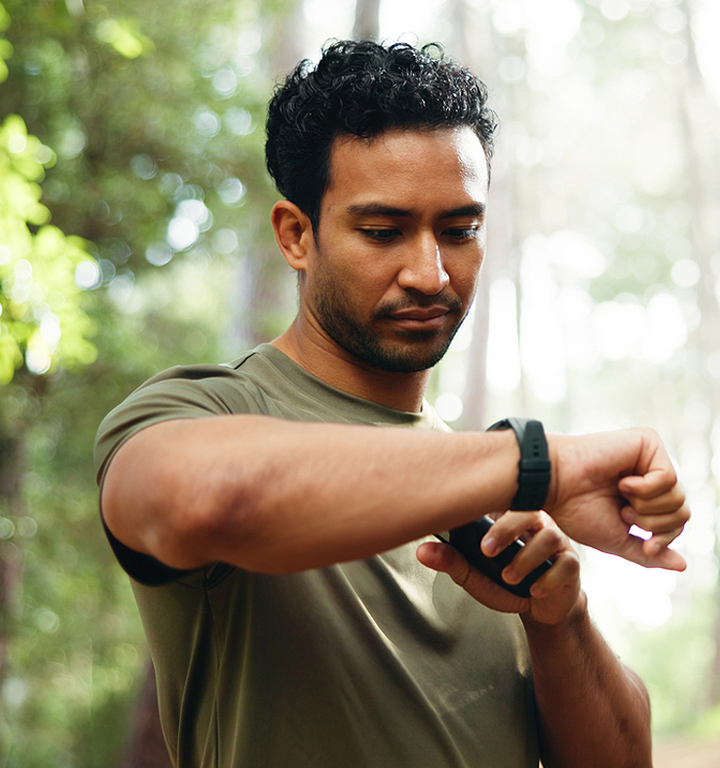
As technology in healthcare continues to evolve, consumers are redefining how they engage with healthcare practitioners (HCPs) and services to manage their own health. Almost one-third of U.S. adults track their health and/or fitness with a wearable device; more than 80% of those respondents would share information from their device with their doctor to support monitoring of their health.
A “wearable” is an electronic device, worn on the body, which detects and monitors physiological data. Remote patient monitoring (RPM) refers to using a wearable device to wirelessly collect and transmit physiological data to an HCP. The HCP can then use the data to remotely support a patient in managing acute or chronic health conditions. When this data is collected over time, care teams can manage and treat chronic conditions in a way that is timely, meaningful, and compatible with the patient’s lifestyle.
Wearables can track and monitor vital signs, such as blood pressure and oxygen levels; continuously monitor glucose; and track sleep patterns that may indicate disorders like sleep apnea. In recent years, with the development of new applications, wearable technology has evolved beyond mere data collection. Now wearables can detect seizures and predict inflammatory bowel disease flares by detecting worsening symptoms.
While many health benefits are associated with wearable use, there are also inherent risks that can expose HCPs to liability. Potential areas of concern include improper device management, inadequate patient education, and failure to safeguard protected health information (PHI). Consider the following when reviewing your organization’s policies and procedures regarding wearable device use:
A “wearable” is an electronic device, worn on the body, which detects and monitors physiological data. Remote patient monitoring (RPM) refers to using a wearable device to wirelessly collect and transmit physiological data to an HCP. The HCP can then use the data to remotely support a patient in managing acute or chronic health conditions. When this data is collected over time, care teams can manage and treat chronic conditions in a way that is timely, meaningful, and compatible with the patient’s lifestyle.
Wearables can track and monitor vital signs, such as blood pressure and oxygen levels; continuously monitor glucose; and track sleep patterns that may indicate disorders like sleep apnea. In recent years, with the development of new applications, wearable technology has evolved beyond mere data collection. Now wearables can detect seizures and predict inflammatory bowel disease flares by detecting worsening symptoms.
Risk Recommendations:
While many health benefits are associated with wearable use, there are also inherent risks that can expose HCPs to liability. Potential areas of concern include improper device management, inadequate patient education, and failure to safeguard protected health information (PHI). Consider the following when reviewing your organization’s policies and procedures regarding wearable device use:
- Understand wearable technology. There is an important distinction between medical and consumer grade devices. Medical-grade devices are approved by the Food and Drug Administration (FDA) to support diagnosis or treatment, whereas consumer-grade wearables are used primarily for wellness tracking and as a motivational tool. Consider whether data collection can be initiated by the patient or if it should be prescribed by the HCP. If using the device as part of care management, ensure that a system is in place to integrate the data into the patient’s electronic health record (EHR), including appropriate alerts for the care team.
- Integrate data into the EHR. Receiving, analyzing, and following up on wearable data can be an overwhelming task for HCPs. If your organization is unprepared, you may be at risk for malpractice claims for failure to monitor, missed detections, or misdiagnosis. Utilize a secure and reliable vendor platform for transmission of data that integrates data transmission and alert systems into workflows and the patient’s EHR. Establish a clear process and designate competent healthcare professionals to monitor and respond to data in a timely fashion. Educate the healthcare team on “alert fatigue,” which can cause staff to ignore or override incoming alerts.
- Develop patient selection criteria. Not all patients are appropriate candidates for remote monitoring. Patients must have the motivation, ability, and resources to effectively use the device. When developing patient selection criteria, consider the following:
- Ability to manage, understand, and operate the device.
- Level of motivation to manage their health.
- Access to a compatible smartphone and reliable internet, if required.
- Ability to recognize when to seek professional medical care.
- Educate your patients utilizing health literacy principles. Teach patients about all components and functions of the wearable device using plain language, teach-back and return demonstration methods. Key educational elements include:
- Proper use and maintenance of the device.
- Frequency and method of data transmission.
- Steps to take if the device malfunctions.
- Recognizing when to seek emergency medical care.
- Thorough documentation of initial and ongoing patient education in the medical record, including documentation that evidences the patients understanding of the device and how to use it, specifically the results of teach back and/or return demonstration.
- Obtain informed consent. Prior to prescribing remote monitoring, conduct an informed consent discussion using plain language. In addition to risks (including cyber risks), benefits, and alternatives, address limitations of the technology. Clarify expectations regarding roles and responsibilities. Patients should understand that although the healthcare team is monitoring their data, they should call 911 or go to the nearest emergency department if they feel sick or are having a medical emergency. Document the informed consent discussion in the medical record.
- Mitigate cybersecurity risk. Because wearable devices transmit PHI and other health data, they carry an inherent risk of data breaches. Properly encrypted data transmission is essential to comply with the Health Insurance Portability and Accountability Act (HIPAA). Before prescribing wearable medical devices, be familiar with FDA guidance on cybersecurity risks for medical devices. Ensure that your organization has implemented strong access controls, secure data storage and retention policies, and a robust incident response plan.
- Ensure device accuracy and reliability. Stay informed on the most up-to-date device information, including manufacturers’ warnings, FDA alerts/recalls, device safety records, and FDA-approved uses. Understand reporting requirements under the Safe Medical Devices Act (SMDA). Consult legal counsel on all contracts with medical device and third-party vendors to ensure they address compliance, liability, and indemnification in the event of a device malfunction or failure.
- Review liability insurance coverage. Contact your insurance agent to review insurance coverage needs related to patient wearable device use.
Copyrighted. No legal or medical advice intended. This post includes general risk management guidelines. Such materials are for informational purposes only and may not reflect the most current legal or medical developments. These informational materials are not intended, and must not be taken, as legal or medical advice on any particular set of facts or circumstances.